 EN
▼
EN
▼
 English
 Français
 Deutsch
 Nederlands
 Español
 Italiano
 Polski
 Kiswahili
EN
▼
English Français Deutsch Nederlands Español Italiano Polski KiswahiliThe Great Wildebeest Migration is the world’s largest mammal migration and ranks among the “Seven Natural Wonders of Africa.” It’s a breathtaking natural spectacle, where millions of wildebeest, zebras, and gazelles traverse the vast Serengeti plains year-round in search of fresh grazing and better-quality water. For many visitors, the dramatic crossing of the Grumeti and Mara Rivers stands out as the ultimate highlight, brought to life by Tanzania Wildlife Voyages.
It’s no wonder that this extraordinary event draws countless visitors to Tanzania each year. If witnessing the wildebeest migration in Serengeti National Park is high on your must-see list, knowing the herds’ locations is essential.
That’s why we want to guide you through:
when and where the Great Wildebeest Migration occurs month-by-month,
the best time to watch the migration,
the best place to see the migration, and
tips for the most intense experience.
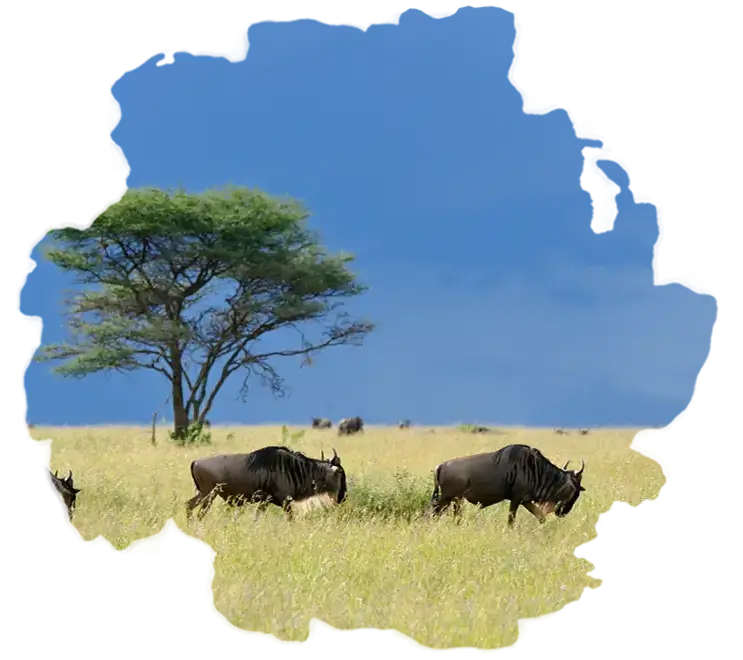
Here’s the secret – the exact timing of the Serengeti wildebeest migration depends on the annual rainfall patterns, making it tricky to predict where and when it will start. Even the wildebeests themselves aren’t entirely sure!
With climate change, the rainy seasons have become irregular and unpredictable, which has caused the migration to be out of sync in recent years.
However, thanks to our experienced Tanzania Wildlife Voyages guides, we can make a fairly reliable prediction. This is one of the key reasons why our Tanzania safaris remain so popular for anyone eager to witness this incredible spectacle firsthand.
Get inspired by these amazing journeys and witness the marvel of the Great Wildebeest Migration with Tanzania Wildlife Voyages.
From $3100 USD
From $2409 USD
From $2824 USD
From $2284 USD
The migration usually kicks off in late November or early December, as the herds move into the southern region of the Serengeti National Park, around the Ndutu area.
Once in the Serengeti, the animals roam freely. It’s an awe-inspiring spectacle—nearly two million wildebeests and zebras scattered across Tanzania’s plains, grazing on fresh, nutrient-rich grasses.
February marks the start of the calving season, with around half a million calves born on these southern plains. This period also attracts numerous predators, all on the lookout for easy prey.
By April, the herds begin moving toward the central and western Serengeti in search of fresh, tall grass. The rains arrive, and the mating season gets underway.
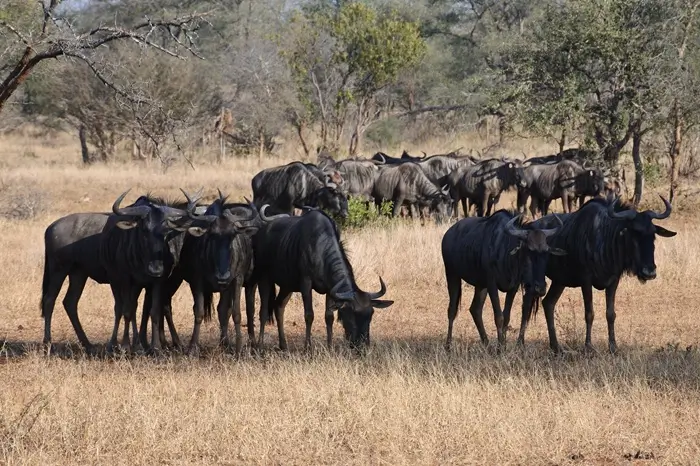
In May and June, the herds of wildebeests and zebras move further north to prepare for the perilous Grumeti River crossing, teeming with enormous crocodiles.
It’s a breathtaking and tense spectacle as thousands of these majestic animals battle the forces of nature and lurking predators. Sadly, not all make it across safely.
Those that survive continue their journey, with some herds passing through the Grumeti Game Reserve and Ikorongo Game Reserve, while others take the route cutting through the heart of Serengeti National Park.
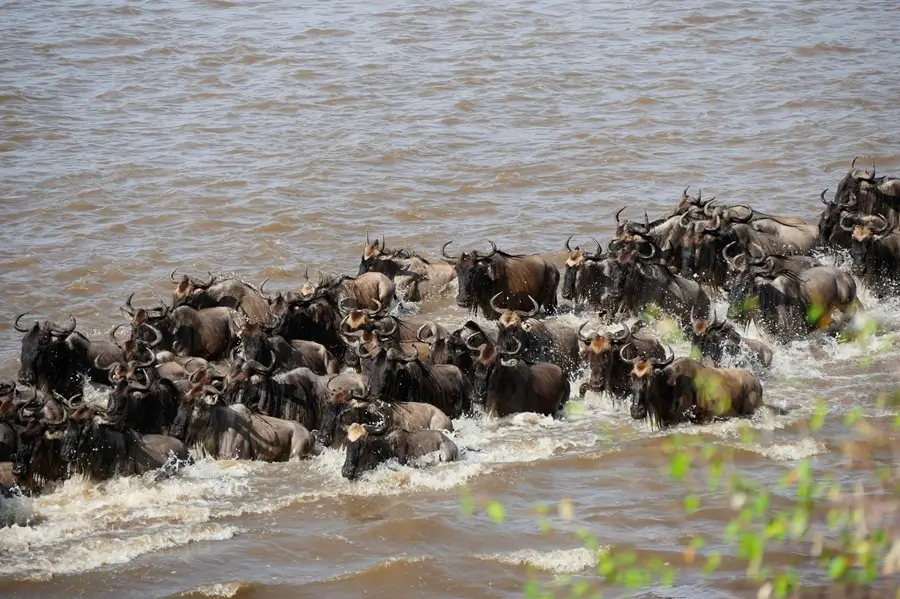
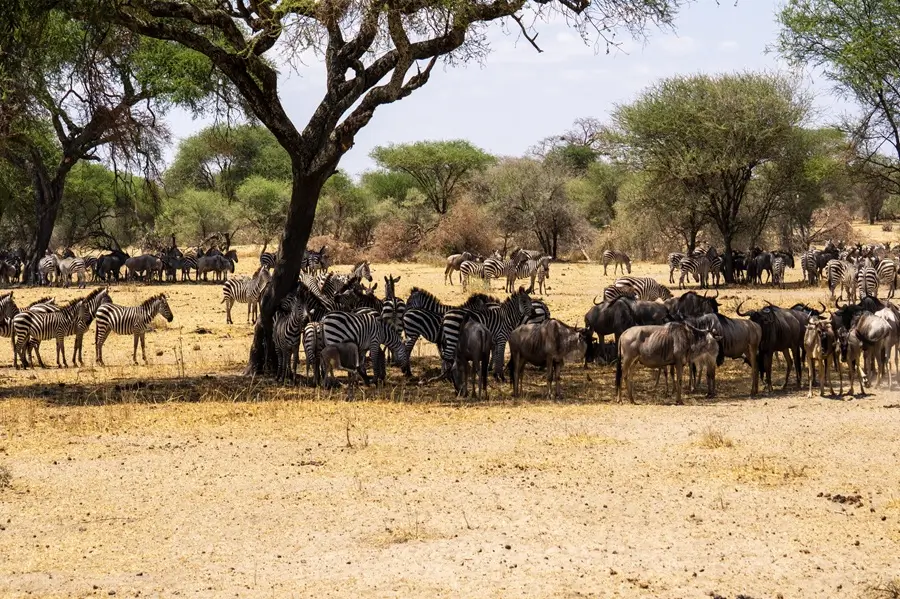
From July to September, the herds gather around the Mara River, which they must cross to reach Kenya. The scenery during this period is both breathtaking and intense. The swift currents and lurking crocodiles make this crossing extremely perilous for the animals.
The Mara River crossing represents the biggest challenge of the migration, producing a dramatic and often nerve-wracking scene as herds of hundreds of thousands navigate the turbulent waters.
Interestingly, over the past two years, nearly two-thirds of the migration avoided crossing the Mara River, as sufficient fresh grass remained in the northern Serengeti.
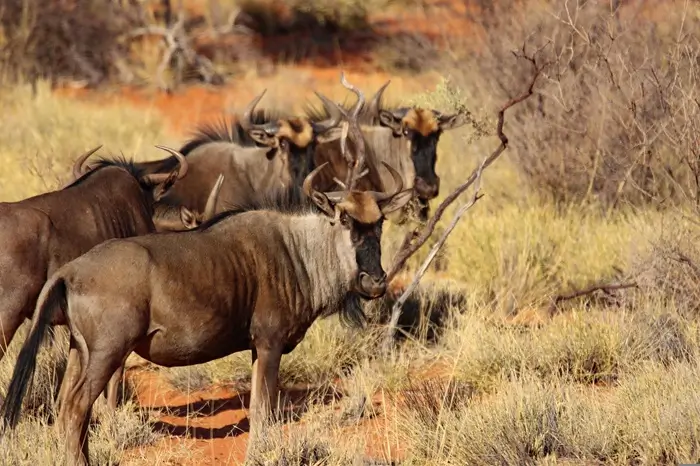
From October to November, the wildebeest migration departs the northern Serengeti, moving through the central Seronera region toward the southern area/Ndutu. The herds stay there until late November or early December, before beginning the annual cycle anew.
It’s challenging to determine the perfect time to witness the Great Wildebeest Migration, as it largely depends on the experiences you wish to have. Additionally, with rainfall patterns becoming increasingly unpredictable, specifying an exact date is nearly impossible.
Broadly, the migration can be divided into five key phases:
| Approximate Period | Event | Location |
|---|---|---|
| December to January | Start of the migration | Southern Serengeti |
| February to April | Calving and breeding season | Southern Serengeti |
| May to June | Grumeti River crossing | Western Serengeti |
| July to September | Mara River crossing | Masai Mara and Northern Serengeti |
| October to November | Journey south | Masai Mara and Northern Serengeti to Southern Serengeti |
Overall, most travelers aiming to witness the migration schedule their safari between July and September. This timing is largely due to the Mara River crossing, widely regarded as the most thrilling and spectacular moment of the Great Wildebeest Migration.
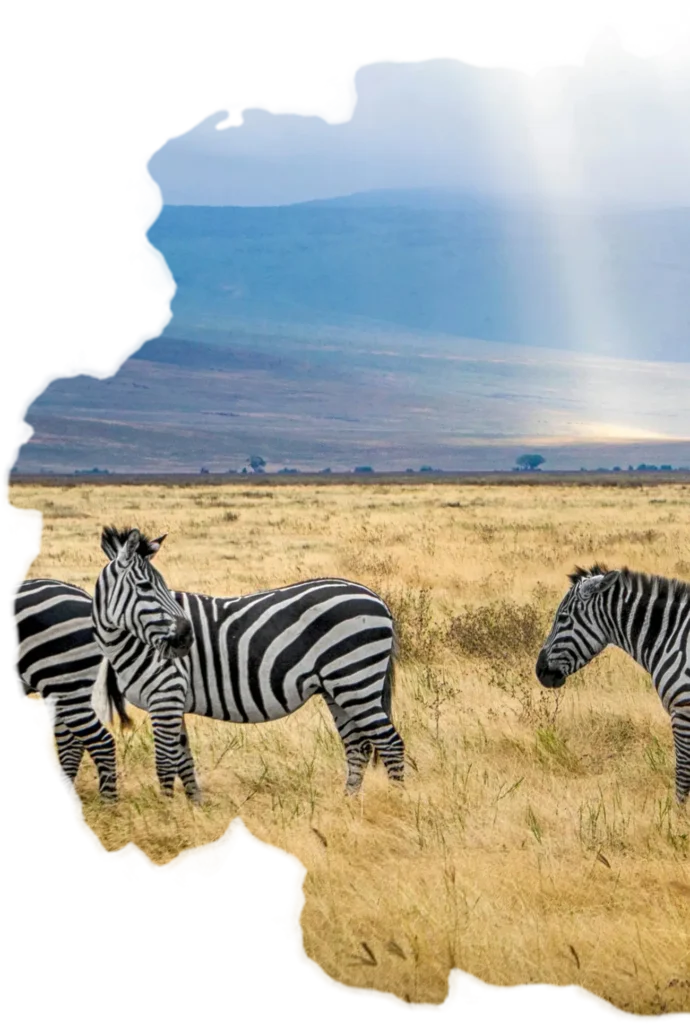
As with the ideal timing, the best location to witness the wildebeest migration depends on your interests. For example, from December to April, it’s recommended to look for lodging in the Southern and Central Serengeti.
During this period, herds roam the plains of the Southern Serengeti, remaining there for the calving and breeding season. The calving season is especially popular with visitors eager to witness the dramatic cycle of life, as predators seize the opportunity to hunt vulnerable young calves.
If you want to experience the spectacular river crossings, these take place in the northern Serengeti and the Masai Mara region of Kenya.
Several tented camps are strategically positioned in prime locations, offering the perfect vantage points to witness the Great Wildebeest Migration in all its splendor with Tanzania Wildlife Voyages.
Experience the excitement of the Great Wildebeest Migration and unwind in style afterwards with Tanzania Wildlife Voyages.
Witnessing the Great Wildebeest Migration is a magical experience. However, to fully immerse yourself in this mystical adventure, you need to travel to Tanzania with a trusted and experienced safari guide.
That is something Tanzania Specialist can help you with. Each of our safaris offers a unique experience that you can fully customize to your preferences. We want this to be an adventure you won’t forget, providing you with an experience that will last a lifetime and be cherished forever.
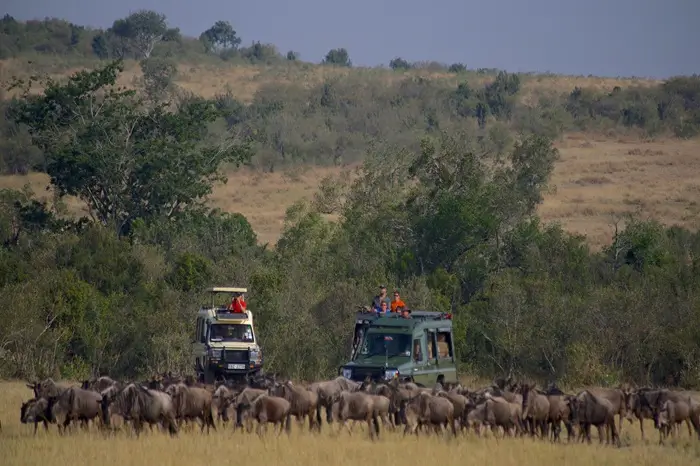
Okay, so you already know when, where, and with whom to witness the Great Wildebeest Migration in Tanzania (hint: with us). The only question left is how.
We won’t sugarcoat it: organizing a wildebeest migration safari takes careful planning and isn’t something to be taken lightly. While we can make this experience even more unforgettable once you arrive, there are still a few steps to take before you set off for Tanzania.
Here are some helpful tips for planning your wildebeest migration safari with Tanzania Wildlife Voyages.
Planning and arranging a safari is not something to leave until the last minute. This advice applies to all safari experiences but is particularly crucial during the peak wildebeest migration season from June to October.
During this period, Tanzania sees a large influx of visitors eager to witness the migration, causing camps and lodges to fill quickly. To catch the dramatic river crossings, make sure to secure your trip well in advance—ideally, at least a year ahead—with Tanzania Wildlife Voyages.
As mentioned, Tanzania sees a high influx of tourists during peak season, particularly in the Serengeti National Park, where the migration is at its most spectacular. If you prefer to enjoy the migration without the crowds, consider visiting at a different time of year to experience it at your own pace.
One of the main benefits of booking a migration safari with Tanzania Wildlife Voyages is that our camps are situated slightly away from the busiest areas. This provides a more peaceful setting, allowing you to fully immerse yourself in the safari experience.
While experiencing the Great Wildebeest Migration is incredible by itself, there are several ways to elevate your safari adventure. At Tanzania Wild Life Voyages, every safari we organize includes a selection of optional activities you can book to make your journey even more memorable.
For additional guidance on safari planning, check out our comprehensive guide on how to plan your first safari. It offers a clear overview of important factors to consider when organizing your Tanzanian safari experience.
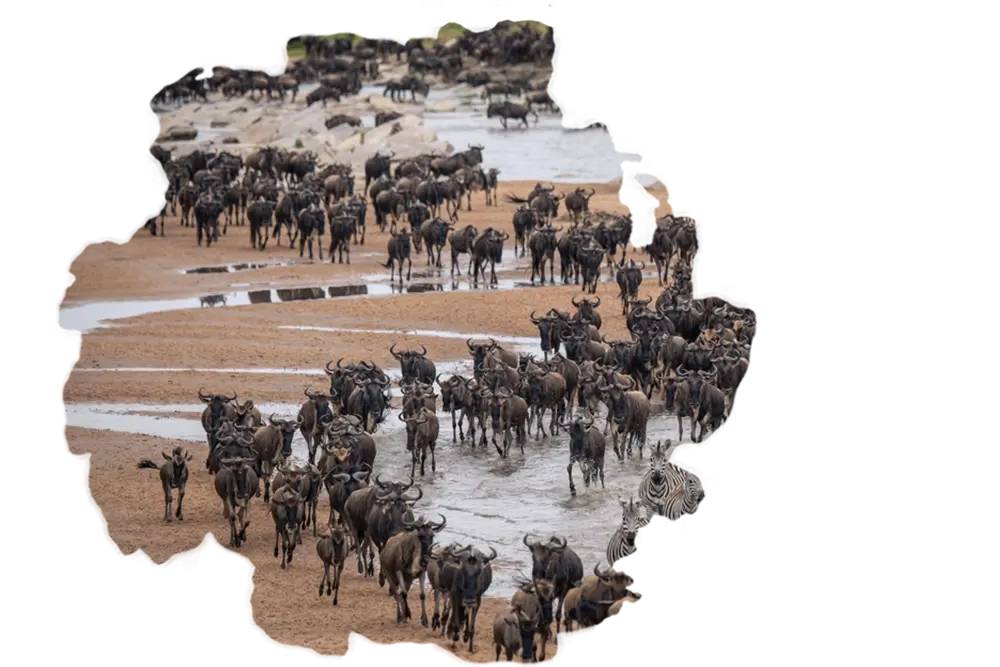
As one of the “Seven Natural Wonders of Africa”, the Great Wildebeest Migration is a must-see when planning your visit to Tanzania. This unforgettable event is a once-in-a-lifetime spectacle that will leave a lasting impression.
When searching for a migration safari, Tanzania Wildlife Voyages is your go-to expert. With years of experience organizing tours and safaris across Tanzania, we ensure our guests experience the very best the country has to offer.
See you on the vast Tanzanian plains!
