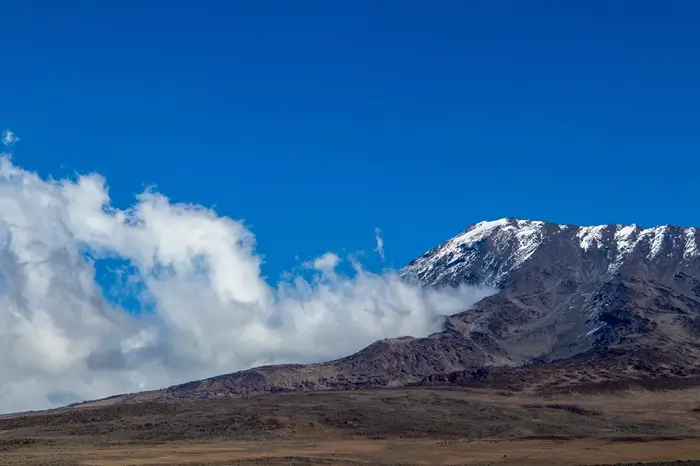
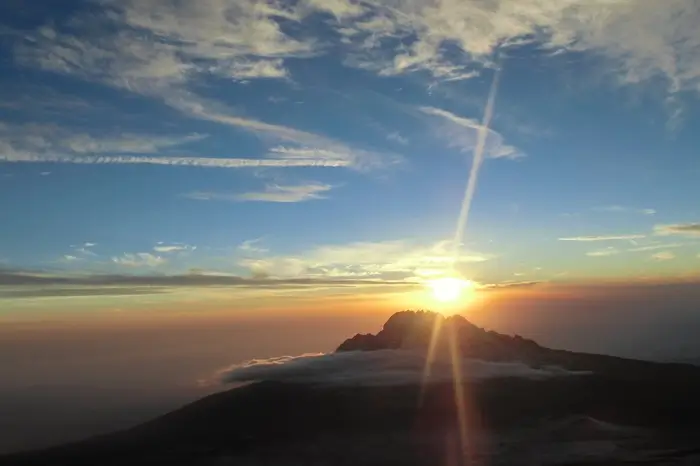
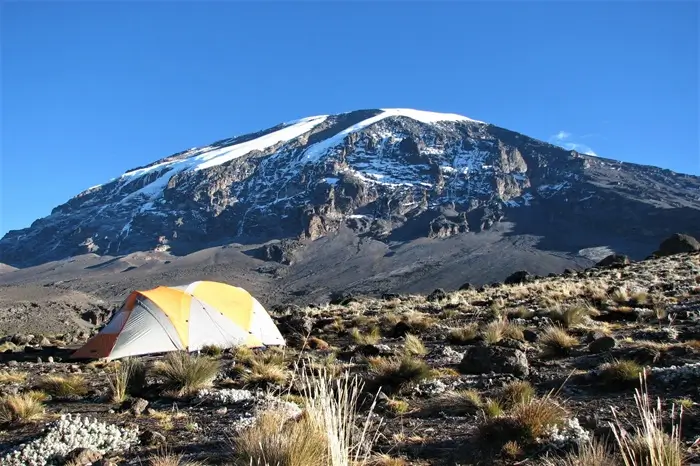
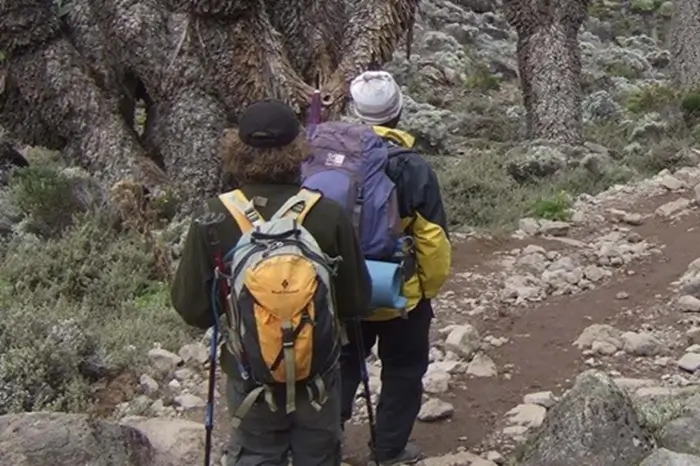
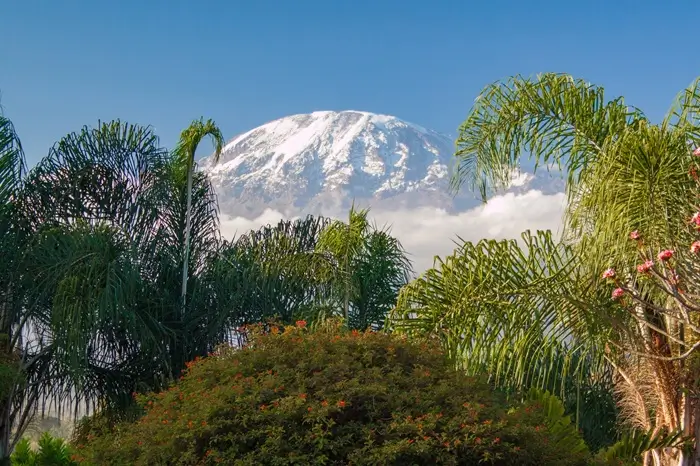
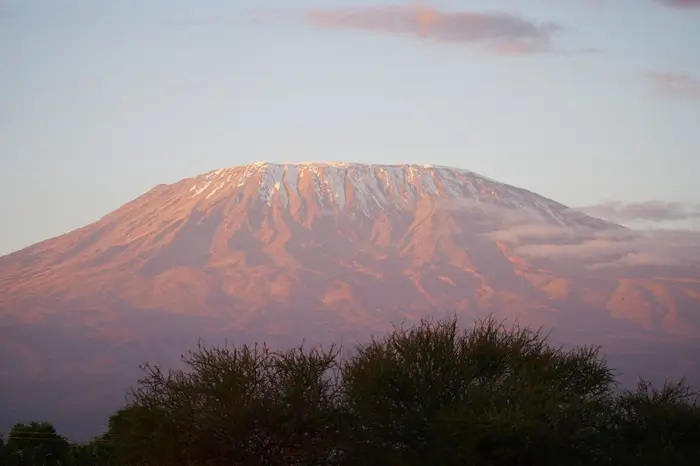
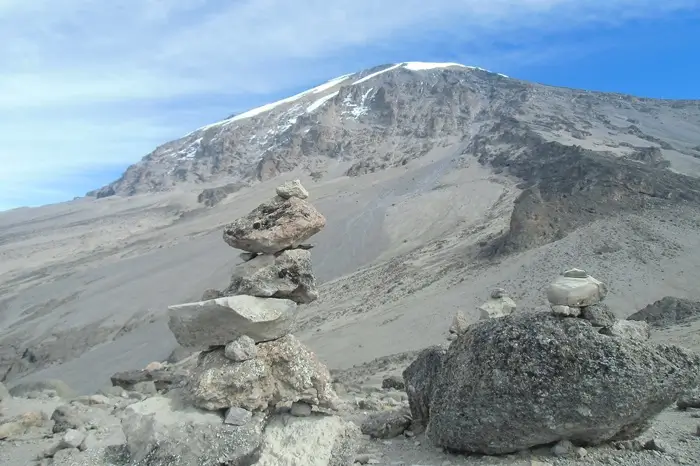
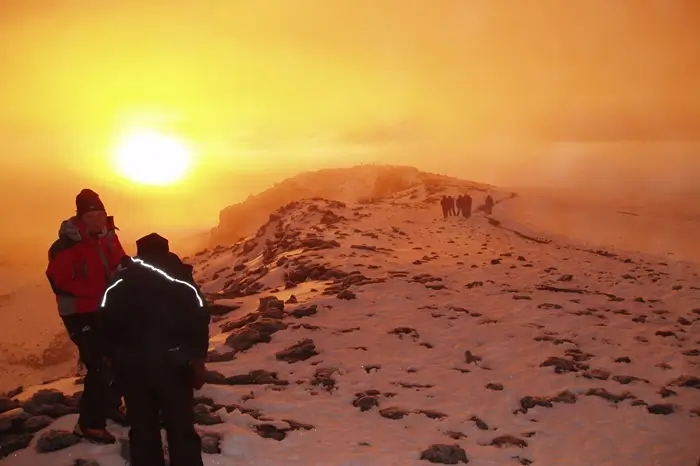
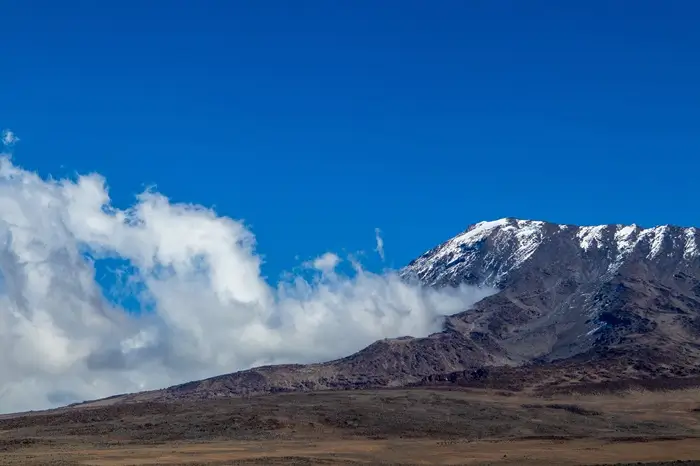
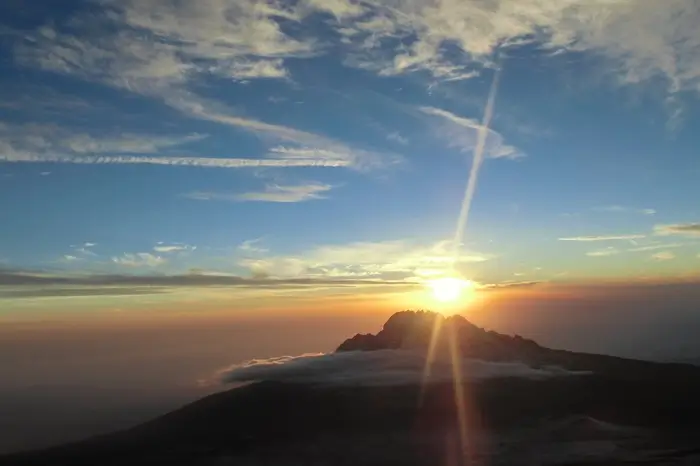
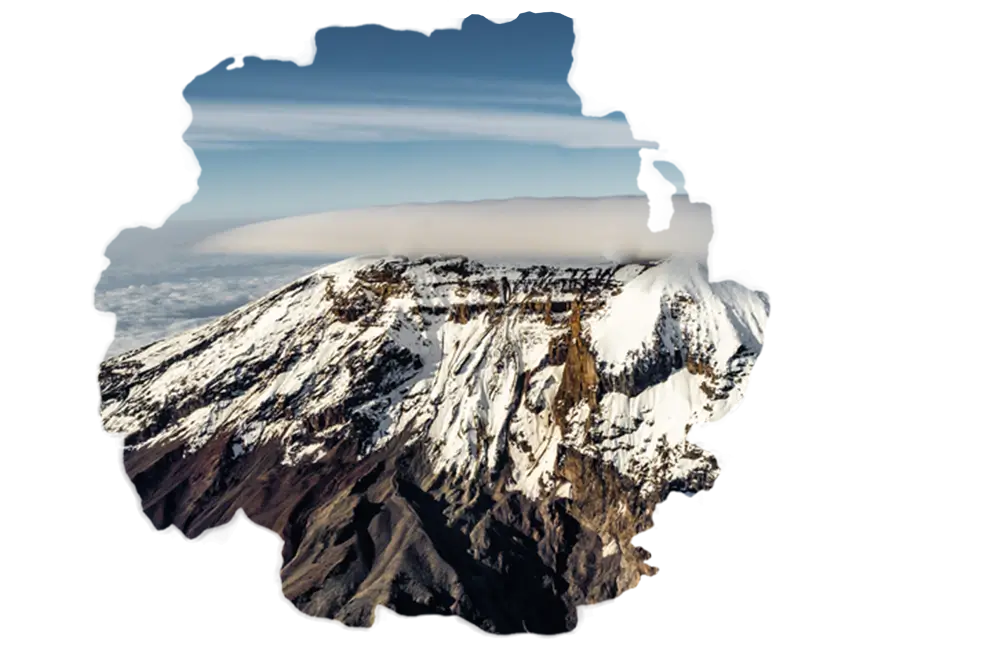
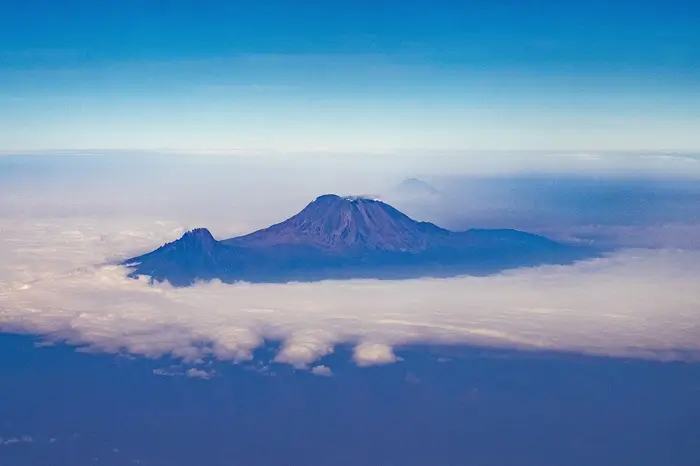
Scaling Kilimanjaro is truly a once-in-a-lifetime adventure. Standing tall at 5,895 metres (19,341 ft), Mount Kilimanjaro holds the title of Africa’s highest peak and the tallest free-standing mountain in the world. While several of its routes can be challenging, with the support of a skilled guide, you don’t need to be a seasoned mountaineer to make it to the summit.
Kilimanjaro National Park is a renowned spot for adventurers seeking a true test of endurance. In this guide, we cover all the essentials for your Mount Kilimanjaro journey — from our top-recommended trekking routes to practical tips on how to prepare for this once-in-a-lifetime adventure.
Kilimanjaro Trekking Routes
Once you’ve decided to take on the challenge of climbing Mount Kilimanjaro, the next step is selecting the route that suits you best. There are seven primary paths leading to the summit—one starting from the Northern side of the mountain and six from the Southern side. Tanzania Wild Life Voyages provides itineraries for each of these routes. The key question is: which one is right for you?
Overview of Kilimanjaro Climbing Routes
Best for newcomers – Marangu or Machame Routes
Stunning landscapes – Lemosho or Machame Routes
Budget-friendly for beginners – Marangu Route
Ideal for intermediate hikers – Machame or Lemosho Routes
Challenging for experienced hikers – Umbwe Route
Most frequented Mount Kilimanjaro route – Machame Route
Longest Mount Kilimanjaro trek – Northern Circuit
Recommended during the rainy season – Rongai Route
There are seven distinct Kilimanjaro climbing routes available, each offering different advantages and challenges to match a hiker’s experience and preferences. These routes vary in length, difficulty, scenery, crowd levels, accommodation, and a range of other factors.
The Tanzania Wildlife Voyages team specializes in identifying the ideal route for your adventure, removing all the stress from your once-in-a-lifetime African experience. With hundreds of successful client summits from around the globe, we carefully consider your group’s unique needs and requirements when planning your Kilimanjaro climb. The most popular routes among our clients are the Machame, Marangu, and Lemosho routes.
Machame Route
Also called the “Whiskey Route,” Kilimanjaro’s Machame Route ranks among the most favored climbing paths in Tanzania. Even better, it boasts an impressively high success rate. The trail ascends gradually, allowing your body ample time to acclimatize to the altitude. Winding around the mountain, it provides stunning vistas and a diverse array of landscapes.
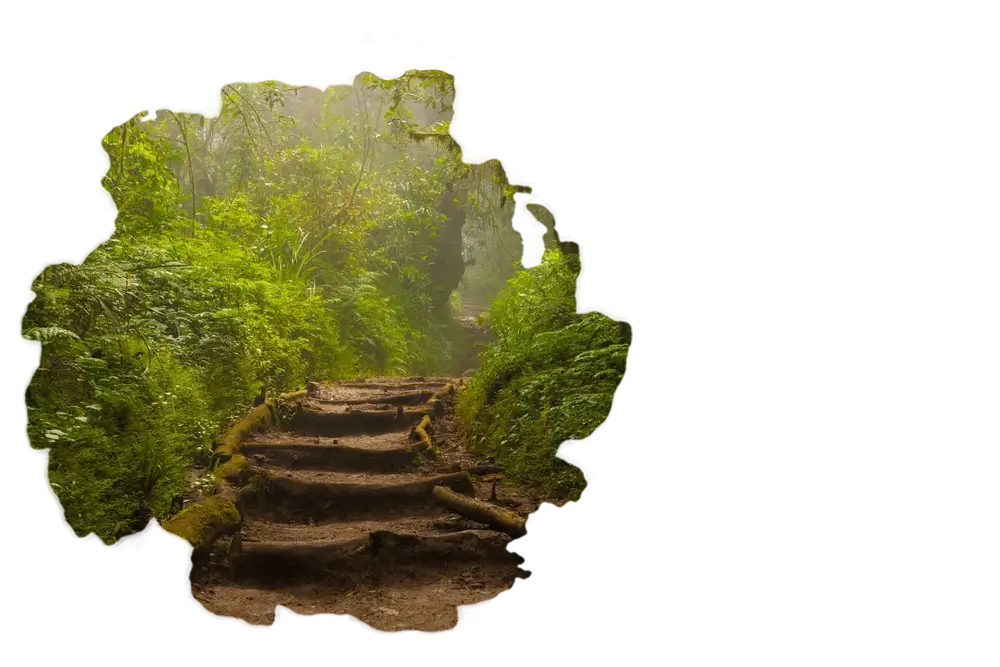
On this trail, you will trek through lush rainforest to reach the stunning Shira Plateau. The final climb to the crater rim at Stella Point is likely the most demanding section and requires at least a basic level of fitness.
The duration of the Machame Route is flexible! It can be completed in 6 or 7 days, and in our experience, a 7-day Kilimanjaro trek offers a significantly higher chance of conquering Africa’s tallest mountain.
PRO: The Machame Route is generally more affordable than most alternatives, thanks to its shorter distance and convenient access.
CON: This path can get quite crowded, particularly during peak season.
Marangu Route
This path, often referred to as the “Coca-Cola” route, is known for being one of the more accessible ways up the mountain. While it is indeed the shortest route, that doesn’t automatically make it the easiest. Because it is shorter, your body has less time to adjust to the altitude, which can lead to quicker fatigue and reduce the likelihood of reaching the summit along this route.
Some climbers favor this route due to the availability of hut accommodations, rather than camping in tents as is common on most other mountain treks. However, this also comes with less privacy! (Although, camping under the African skies has its own unmatched charm!). The Marangu Route is ideal for budget travelers and is among the most affordable ways to reach the summit of Kilimanjaro.
PRO: The Marangu Route is one of the most cost-effective and fastest ways to climb Mount Kilimanjaro. It also provides hut accommodation in dormitory-style rooms – perfect for those who prefer not to camp.
CON: This route tends to be crowded, especially during peak season. Since the ascent and descent follow the same trail, you miss out on seeing more of the mountain’s stunning scenery.
Lemosho Trail
The Lemosho Route is a stunning and distinctive path, celebrated for its spectacular scenery. Unlike other Mount Kilimanjaro climbing routes, it begins on the western side of the mountain. As a result, the route is less congested with climbers, providing a more peaceful and private hiking experience with Tanzania Wildlife Voyages.
Even better, the Lemosho Trail remains completely pristine, offering a stunningly scenic journey up to the iconic Shira Plateau. After several days, the trail merges with the Machame Route at Lava Tower. This trek can be completed in 7 or 8 days and requires a reasonable level of fitness!
CONS: Lemosho is certainly a pricier option – it’s a longer trail and involves extra transport to reach the opposite side of the mountain.
PROS: The cost is well justified! The Lemosho Route allows climbers ample time to acclimatize, the scenery is breathtaking, and summit success rates are high. This is truly one of the most scenic and comprehensive routes for climbing Kilimanjar
Ideal Season for Climbing Kilimanjaro
Climbing Mount Kilimanjaro is possible throughout the year. At Tanzania Wild Life Voyages, we offer expert guidance on the ideal time to plan your trek, tailored to your personal preferences.
The prime climbing periods fall within the dry seasons: December to March and June to October. The stretch from December to March is generally the warmest, featuring clearer skies and minimal snowfall on the routes. February is particularly favorable, with higher temperatures and a lower chance of rain. From June to October, the mountain becomes noticeably colder and the trails tend to be busier.
During the rainy months, conditions are wetter, paths more slippery, and visibility reduced. While most climbers avoid this period, seasoned mountaineers and adventurous travelers sometimes choose it for the advantages—chiefly, the peace of fewer crowds.
Preparing for Your Kilimanjaro Climb
Although Mount Kilimanjaro offers routes suited to all experience levels, you should be prepared to handle 6–7 hours of walking each day. This can be demanding, so advance preparation is highly recommended. On a typical trekking day, expect to spend 6–7 hours on foot. In the months before your journey, try going on long hikes every couple of weeks, gradually increasing your stamina until you can comfortably manage a full weekend hike.
Complementary exercises such as yoga and breathing practices are also useful in your preparation. These help strengthen both body and mind, reducing the chances of fatigue when you need endurance the most.
Check out this article for helpful advice on getting ready to climb Kilimanjaro.
Kilimanjaro Climbing Expenses
The price of climbing Kilimanjaro varies depending on the route selected. We collaborate with travelers to design tailored Kilimanjaro itineraries that suit a wide range of budgets – from budget-friendly options to high-end luxury experiences. In addition to tour operator fees, other important expenses to keep in mind include:
Purchasing suitable gear: such as trekking poles, sturdy hiking boots, a waterproof daypack, and breathable clothing.
Tipping guides and porters: these hardworking teams often earn modest wages, so tipping is customary and plays a vital role in supporting the local community.
A Landmark in Responsible Mountaineering: Our KRTO Accreditation
We’re excited to share that Tanzania Wildlife Voyages has officially been certified by the Kilimanjaro Responsible Trekking Organisation (KRTO). This recognition highlights our dedication to fair treatment of porters, ethical standards, and protecting the environment. Choosing to climb with us means not only reaching the summit of Africa’s tallest peak but also supporting a sustainable future for Kilimanjaro and its surrounding communities.
 EN
▼
EN
▼
 English
 Français
 Deutsch
 Nederlands
 Español
 Italiano
 Polski
 Kiswahili